Richmond Road removals experts for narrow access properties

If you are moving on or near Richmond Road and your building is tucked behind a tight driveway, a basement stairwell, a narrow hallway, or a parking restriction that makes a van shuffle into place like a reluctant cat, you already know the issue: the move is not really about distance. It is about access. Richmond Road removals experts for narrow access properties solve the part of moving most people underestimate, and they do it with planning, patience, and the right equipment.
That matters because narrow access changes everything. A sofa that would be simple on an open street can become a tricky two-person puzzle on a tight landing. A full-size removal truck may be the wrong tool for the job. And if you guess wrong, the day turns messy fast. This guide walks through how specialist removals work, what to ask for, what to avoid, and how to make a narrow-access move feel controlled rather than chaotic.
Why Richmond Road removals experts for narrow access properties Matters
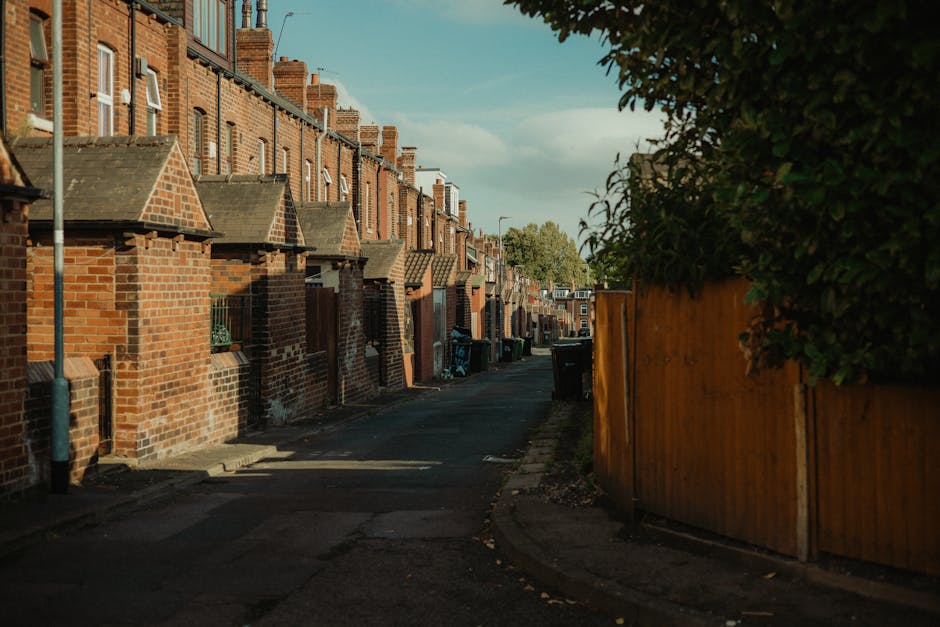
Narrow access is one of those moving challenges that sounds minor until you stand in it, box in hand, and realise the landing is barely wide enough to turn your shoulder. Richmond Road homes and buildings can present exactly that kind of problem: close-set entrances, shared paths, awkward staircases, tight street parking, and limited room for manoeuvring a vehicle.
The wrong approach can cause delays, damage, neighbour complaints, or simple exhaustion. Truth be told, moving day already asks enough of you. If the access is awkward, it is far better to have removals support that plans for it from the start rather than improvising on the pavement while the clock runs.
Specialist movers think differently. They look at the route, the load, the vehicle size, and the order in which items should leave the property. They also think about the small things people forget: where to stage boxes, how to protect walls in a tight corridor, whether the front door opens fully, and whether a long van would actually block more than it helps. That practical mindset is the difference between a move that feels managed and one that feels like a scramble.
For a wider move, general removals may be enough. For a narrow access property, you need a plan that respects the layout. If you are also comparing broader moving support, you may want to look at removals, home moves, or flat removals to understand how the service range fits different property types.
How Richmond Road removals experts for narrow access properties Works
The process usually starts before moving day, not on it. A good team will ask about access details early: road width, steps, lift access, parking space, floor level, and whether there are sharp turns or low ceilings. If you have ever tried to pivot a wardrobe through a narrow stair corner, you will know why that matters.
After that, they will decide whether a smaller vehicle, a shuttle-style transfer, or a parking-and-carry approach is the safest option. In some cases, a full-sized removal truck is still fine for the main road, but the final stretch is handled with a smaller van or careful hand-carrying. In other cases, the team simply plans a more compact load-out so nothing has to be forced.
Packaging also changes. Narrow access moves tend to work best when items are boxed well, furniture is dismantled where possible, and fragile goods are wrapped tightly. The more a mover can control the shape and weight of an item, the easier it is to navigate a tight doorway or staircase.
For especially awkward or time-sensitive moves, a service such as man and van or man with a van can be a sensible fit, particularly if the property does not suit a large vehicle. If access is tight but the job is still substantial, a smaller removal van may be a better match than a larger truck. It sounds obvious when you say it out loud, but people still pick the wrong vehicle all the time.
Some moves also benefit from extra planning around packing, especially if you want fewer loose items to carry through narrow spaces. Packing and boxes and packing and unpacking services can reduce the number of awkward, half-open, badly balanced loads that cause delays in cramped access routes.
Key Benefits and Practical Advantages
The biggest benefit is simple: fewer surprises. A narrow access property becomes much easier to manage when the moving plan is built around the site rather than forced onto it.
- Less risk of damage: careful handling and route planning reduce scuffed walls, chipped banisters, and scratched furniture.
- Better time control: specialist movers spend less time guessing where items can go.
- Safer lifting: the right team knows when an item needs dismantling, padding, or a second person.
- Smarter vehicle choice: a van or compact truck may fit the street better than a larger lorry.
- Less stress for you: you are not trying to solve stair angles, parking issues, and box labels all at once.
There is also a quieter advantage: the move feels more respectful of the building. That matters in London, where shared entrances, terraces, converted houses, and older properties often have little tolerance for clumsy handling. Let's face it, nobody wants to be the person dragging a sofa across a narrow communal landing at 7 a.m.
Another practical point is flexibility. Narrow-access removals often need a calmer pace and a more selective loading order. That means essentials can come off first, delicate items can be kept separate, and furniture can be loaded in a way that avoids re-handling. It may not sound glamorous, but it saves energy. And on moving day, energy is gold.
Who This Is For and When It Makes Sense
This kind of removals support is especially useful if you live in a terrace, mews, conversion, basement flat, top-floor flat, or any property where the route in and out is not straightforward. It also makes sense if the street is too narrow for easy double-parking, if access is shared, or if the entrance area needs careful protection.
You may need narrow-access specialists if:
- your doorway is tight for larger furniture;
- your staircase has a sharp turn or low clearance;
- the vehicle cannot park directly outside;
- there are steps, slopes, or uneven paving;
- you are moving heavier items like wardrobes, sofas, or upright instruments;
- you need a move completed with minimal disruption to neighbours or customers.
Students in converted houses, landlords arranging tenant turnover, and small businesses in awkward premises often need this support too. A move from a compact office or shopfront can be just as tricky as a home move, especially if access is shared with other occupiers. For that kind of work, services like office removals or commercial moves may be relevant.
If you are moving between smaller flats, or need to keep the job streamlined, student removals can also be a practical option. Small property does not always mean small stress. Funny how that works.
Step-by-Step Guidance
Here is the most reliable way to approach a narrow access move without turning it into a last-minute puzzle.
- Measure the awkward parts. Door frames, stair width, landings, ceiling height, gate openings, and any sharp turns should all be checked.
- Describe the access honestly. If it is a squeeze, say so. If the parking is ten doors away, say that too.
- Identify the bulky items early. Sofas, beds, wardrobes, white goods, pianos, and desks often determine the whole plan.
- Decide what should be dismantled. A bed frame that comes apart neatly is much easier than one that has to be wrestled through a stairwell.
- Book the right vehicle. A smaller van or staged loading plan may be safer than a single large truck.
- Protect the route. Floor covers, blankets, and corner protection help in close quarters.
- Label boxes clearly. When access is tight, the less re-handling, the better.
- Keep essentials separate. Documents, chargers, medications, keys, and a kettle box should not vanish into the back of the vehicle.
If a move includes valuable or awkward items, it can be worth asking about piano removals or furniture removals rather than assuming a standard move will cover everything comfortably. In narrow spaces, the item matters as much as the address.
A small but useful habit: walk the route from the front door to the vehicle yourself the day before. You will notice things you missed the first time. A bin store. A step. A low lamp bracket. Little annoyances, yes, but they stack up.
Expert Tips for Better Results
The best narrow-access moves are usually the ones where the team does less improvising on the spot. A few small decisions make a big difference.
- Use smaller load units. Multiple manageable boxes are often better than one oversized box packed with regret.
- Disassemble early, not later. Waiting until the hallway is full is a classic headache.
- Protect corners first. Wall corners and bannisters take the most accidental contact.
- Stagger the loading order. Essentials should not end up trapped behind the heavy furniture.
- Have a backup plan for parking. If the front space is blocked, know where the next best stopping point is.
It also helps to keep the weather in mind. A damp afternoon, a bit of drizzle, and a narrow step can make surfaces surprisingly slippery. A move that felt straightforward at 9:00 can feel much less so by 2:00 when everyone is on their third coffee and the pavements have that slightly gritty wet look.
If you are comparing providers, look for clear communication, not just a cheap number. Ask how they handle awkward stairs, what they do if the truck cannot park directly outside, and whether they offer storage if your move-out and move-in times do not line up. That kind of answer tells you a lot about the operator.
For some jobs, a smaller team with a flexible vehicle beats a large operation with too much hardware. The right fit is often the one that can adapt without drama.
Common Mistakes to Avoid
Narrow access is unforgiving of guesswork. A few common mistakes crop up again and again.
- Booking the wrong vehicle size. Bigger is not always better.
- Underestimating furniture dimensions. Measuring the room is not the same as measuring the item against the route out.
- Forgetting about parking restrictions. Even a good mover can be hampered by a poor stopping point.
- Leaving packing too late. Loose items slow everything down and make stair movement harder.
- Ignoring access for large items. Wardrobes and sofas are the usual troublemakers.
- Not telling the movers about shared entrances or narrow paths. They need the real picture, not the ideal one.
Another mistake? Assuming the move will sort itself out once the van arrives. That is rarely how it goes. A narrow-access property rewards preparation. And then rewards it again. A bit annoyingly, perhaps, but still.
If the property is a managed building or rental, it can also help to review practical terms around timing and access in advance. You may want to check terms and conditions and, for peace of mind around responsibility and handling, insurance and safety.
Tools, Resources and Recommendations
You do not need specialist jargon to organise a good move, but a few practical tools help a lot. A tape measure. A notepad. Furniture sliders. Protective blankets. Basic tools for dismantling beds or tables. Nothing glamorous. Just effective.
For a more organised move, consider:
- Box labels by room and priority so the unloading route stays efficient;
- Furniture bags and wrap to stop scratches in tight spaces;
- Corner protectors and floor covers for older properties or freshly decorated halls;
- Stackable boxes to make carrying safer on stairs;
- A separate essentials bag for the first night.
If you are moving a home and the access is awkward enough that you need extra help with the physical packing, packing and unpacking services can make the process feel far less overwhelming. If unwanted furniture has to go before the move, furniture pick up may also be useful.
And if you are trying to balance budget against convenience, a simple comparison through pricing and quotes is often the most sensible next step. Clear pricing is far more useful than a vague promise. Everyone likes certainty when the sofa is already halfway out the door.
Law, Compliance, Standards, or Best Practice
For most household moves, the legal side is not dramatic, but it still matters. Good removals practice in the UK generally includes safe manual handling, appropriate vehicle loading, sensible risk awareness, and respect for property access and neighbours. If a move takes place on a public road, parking and loading should be handled carefully and in line with local restrictions.
In practical terms, that means a professional mover should think about:
- safe lifting and carrying techniques;
- route risk, especially on stairs and tight turns;
- protecting shared areas from damage;
- securing items properly in transit;
- clear communication about limits and access constraints.
Where commercial premises are involved, there may also be site rules, building management requirements, or insurance expectations to respect. It is sensible to ask whether the mover follows a documented health and safety policy. That is not paperwork for paperwork's sake. It is often the clearest sign that they take the job seriously.
Likewise, if you care about environmental handling and disposal, especially with unwanted items or packaging, a service that mentions recycling and sustainability can be a good fit. Not every move produces a lot of waste, but the ones that do can benefit from a sensible end-of-job plan.
Options, Methods, or Comparison Table
Not every narrow-access job needs the same setup. The right method depends on the property, the volume, and the furniture involved.
| Option | Best for | Strengths | Trade-offs |
|---|---|---|---|
| Small van move | Compact homes, flats, limited street access | Easier parking, more agile, often faster to position | May require more trips or tighter loading |
| Removal van with specialist loading | Average-sized moves with awkward access | Balances capacity and manoeuvrability | Still depends on street layout and parking |
| Full removal service | House moves, larger furniture, mixed contents | More hands, better for heavy or fragile items | Needs careful access planning if the street is tight |
| Storage-assisted move | Delayed handover, staggered move dates | Flexible when dates do not align | Extra handling and planning required |
If you are unsure which route suits you, think in terms of access first and volume second. That is the key shift. People often choose based on how much they own, but narrow access cares more about how those items physically leave the building.
For smaller, faster jobs, a man with van approach can be surprisingly efficient. For larger household transfers, house removals or support from house removalists may be the safer choice.
Case Study or Real-World Example
Imagine a two-bedroom flat on a narrow Richmond Road side stretch, with a shared entrance, a tight internal staircase, and no real parking space directly outside. The client has a bed frame, a sofa, a dining table, several boxes of books, and a couple of fragile lamps. Nothing outrageous, but enough to make access the main challenge.
Rather than sending in a large vehicle and hoping for the best, the move is planned in stages. The bed frame is dismantled the night before. Fragile lamps are boxed separately. The sofa is wrapped. Boxes are labelled by room. A smaller vehicle is used for the final loading point, while the team stages items so the hallway stays clear. The result is not dramatic. That is kind of the point. The move feels calm, people are not constantly backtracking, and the building is left tidy.
That sort of move does not happen by accident. It happens because somebody looked at the access problem early and treated it as central, not minor. Small difference. Huge effect.
In a similar office or mixed-use setting, the same thinking applies. If the access is awkward, a careful plan and the right vehicle matter more than a quick promise. For business relocations, office relocation services can provide a better match than a generic approach.
Practical Checklist
Use this checklist before booking and again the day before the move.
- Measure doors, stairwells, and landings.
- Check whether large furniture needs dismantling.
- Confirm if parking is possible near the property.
- Tell the mover about steps, slopes, gates, or tight turns.
- Separate fragile items from heavy items.
- Label boxes by room and priority.
- Protect floors, walls, and corners where needed.
- Keep keys, documents, chargers, and essentials to hand.
- Ask about timing, access constraints, and contingency plans.
- Check whether you need same day removals or temporary storage.
Expert summary: The best narrow-access move is rarely the biggest vehicle or the fastest loading. It is the one with the best plan, the clearest communication, and the least unnecessary lifting. Simple, really. Not always easy, but simple.
Get a free quote today and see how much you can save.
Conclusion
Richmond Road removals experts for narrow access properties are valuable because they solve the actual problem, not just the visible one. The visible part is the boxes and furniture. The real challenge is the route: the narrow corridor, the shared staircase, the awkward parking, the low ceiling, the tight turn you only notice when you are already committed.
When that route is planned properly, the whole move becomes lighter. Less damage. Less stress. Less wasted time. And frankly, a better start in the new place. Moving is never anyone's favourite pastime, but with the right support it does not need to be a battle. It can just be a move. A well-handled one.
If you are comparing options, start with access, then match the service to the property, then ask sensible questions about handling, timing, and safety. That order saves headaches. Usually more than once.
And when the last box is in, the hallway is clear, and the kettle is finally plugged in, you will be glad you took the careful route. It's a better feeling, honestly.
Frequently Asked Questions
What makes a removals expert suitable for narrow access properties?
A suitable mover knows how to plan around tight entrances, narrow stairs, limited parking, and awkward furniture angles. They should choose the right vehicle, protect the property, and manage loading so the move stays safe and efficient.
Should I choose a small van or a full removal truck?
That depends on the property access, not just the amount you are moving. A small van may be far better for a tight Richmond Road location, while a larger truck can still work if parking and unloading space are available nearby.
How do I know if my property counts as narrow access?
If furniture has to twist through tight doorways, stairs feel cramped, or the vehicle cannot park close by, you likely have a narrow access move. Even a modest flat can count if the route in and out is awkward.
Can movers handle heavy items like wardrobes or pianos in tight spaces?
Yes, if they are experienced and the item is assessed properly first. Some pieces may need dismantling, extra padding, or a specialist approach such as piano removals. It is always better to mention heavy items early.
What should I tell the removals team before moving day?
Tell them about stairs, ceiling height, parking limits, shared entrances, building rules, bulky items, and anything that might slow access. The more accurate the description, the better the plan they can make.
Do narrow access removals take longer?
Often, yes. Tight spaces usually mean more careful handling and more planning. That does not mean the move will be difficult, but it does mean punctuality and route planning matter more than usual.
Is packing more important for narrow access moves?
Absolutely. Well-packed boxes are easier to carry, stack, and fit through narrow spaces. Loose or overfilled boxes are harder to move and more likely to cause damage or delays.
Can I book storage if my move dates do not match?
Yes, storage can be a very sensible bridge if you are waiting for keys, coordinating exchange dates, or managing staged access. It takes pressure off the day itself.
What are the most common mistakes with narrow access moves?
The biggest ones are choosing the wrong vehicle, underestimating furniture size, and not explaining the access constraints in advance. People also leave packing too late more often than they should. Happens all the time.
How can I reduce the risk of damage in a tight property?
Use proper wrapping, protect corners and floors, dismantle furniture where possible, and keep walkways clear. A careful route plan is just as important as the lifting itself.
Are narrow access removals suitable for flats and small houses?
Yes. In fact, flats, conversions, basements, and compact terraced homes are often where specialist planning helps most. The smaller the property, the more every inch of space counts.
What is the best first step if I am unsure what service I need?
Start by describing the access and the items you need moved. From there, a mover can usually tell you whether a man and van, a full removals service, or a more tailored approach is the best fit.
How do I compare quotes for narrow access removals fairly?
Compare what is included, how access is handled, whether the vehicle size is appropriate, and whether packing or dismantling support is offered. A cheap quote is not always the best one if it ignores the realities of the property.